Blog

...
Beyond Vows: Exploring the Flavors of Indian Wedding Feasts
Attending an Indian wedding is more than just witnessing the union of two souls—it's an immersive celebration that delights every sense.
From the symphony of vibrant colors and rhythmic music to the intricate traditions and elaborate décor, every detail is thoughtfully curated. Yet, perhaps nothing leaves a more lasting impression than the rich and diverse culinary offerings.

A Regional Culinary Tour Across India
India’s culinary diversity is as vast and colorful as its cultural heritage. Each region brings its own flavor, literally and figuratively, to the wedding table—transforming the celebration into an unforgettable gastronomic experience.

North India: A Celebration of Rich Flavors
Weddings in North India are known for their grandeur—and the food is no exception. Guests are treated to an opulent spread of aromatic curries, creamy dals, butter-laden naans, and succulent kebabs. Signature dishes like paneer tikka, dal makhani, rogan josh, and biryani often take center stage. No North Indian feast is complete without a generous helping of desserts such as gulab jamun, jalebi, and kulfi.

South India: Tradition Served on a Banana Leaf
In South Indian weddings, meals are traditionally served on banana leaves—adding a touch of authenticity and eco-friendliness. Expect a delightful variety of dishes such as dosa, idli, vada, sambhar, rasam, and a range of coconut-based curries. A highlight is the sweet and creamy payasam, often served warm and made with jaggery, milk, or coconut milk. The experience is both spiritual and satisfying.

West India: A Symphony of Vegetarian Delicacies
Weddings in western states like Gujarat and Rajasthan showcase the richness of vegetarian cuisine. The famed Gujarati thali offers a balanced medley of flavors—sweet, salty, and spicy—served in small portions. Rajasthani menus often include hearty dishes like dal baati churma, gatte ki sabzi, kachoris, and a variety of pickles and chutneys that add zest to every bite.

East India: A Delicate Balance of Sweet and Savory
Eastern Indian weddings bring seafood lovers and sweet-toothed guests together in culinary harmony. Bengali wedding feasts are renowned for their fish preparations—think shorshe ilish (hilsa in mustard sauce) and chingri malai curry (prawns in coconut gravy). This is perfectly complemented by iconic sweets like rosogolla, sandesh, and mishti doi. Assamese weddings introduce guests to lesser-known yet exquisite dishes featuring bamboo shoots, pork, and sticky rice-based desserts.

Conclusion: A Culinary Celebration Like No Other
Food is more than a necessity at Indian weddings—it’s a reflection of cultural identity, regional pride, and family heritage. Whether you're savoring a spicy Rajasthani curry or indulging in a syrupy Bengali sweet, each bite tells a story. The culinary experience at an Indian wedding isn't just about the menu—it's about hospitality, celebration, and togetherness. It's a feast for the senses you’ll remember long after the final course is served.

The diverse regional menus create a tasting experience that feels like traveling through India—one plate at a time.

A Regional Culinary Showcase on a Single Plate
Each Indian wedding offers a unique taste of the region in which it's held, transforming the meal into a culinary voyage across the country. From the spicy richness of Punjabi dishes to the coconut-laced flavors of Kerala, guests experience a multi-course exploration of India’s diverse food landscape—without ever leaving their seats.

The Elegance of Vegetarian Cuisine
Vegetarianism is more than a dietary choice in Indian culture—it is a reflection of deep-rooted values and regional traditions. Particularly in states like Gujarat and Rajasthan, as well as among Jain and Vaishnav communities, vegetarian cuisine is the standard at wedding banquets.

However, simplicity never equates to compromise. Indian vegetarian dishes are vibrant, hearty, and bursting with complexity. Signature favorites like paneer tikka, dal makhani, aloo gobi, and palak paneer demonstrate how plant-based fare can be just as indulgent and satisfying as any meat-based menu. In fact, it's not uncommon for even non-vegetarian guests to be won over by the variety and richness of these preparations.

A Toast to Tradition—Without Alcohol
While some modern weddings include alcohol, many traditional Indian celebrations do not. Instead, guests are welcomed with a colorful range of non-alcoholic beverages—think masala chai, fresh sugarcane juice, flavored lassis, and artisanal mocktails. These drinks not only complement the spices on the plate but also reflect the hosts’ emphasis on hospitality over indulgence.

Where alcohol is served, it's often done tastefully in controlled settings, ensuring the overall atmosphere remains celebratory, respectful, and inclusive for guests of all ages.

The Theater of Food: Live Counters and Interactive Stations
An exciting highlight of many Indian wedding receptions is the presence of live food counters—where chefs prepare delicacies on demand. From sizzling hot dosas to flavorful chaats, smoky tandoori kebabs, and crispy pakoras, these interactive stations engage all the senses.

Dessert stations are equally showstopping. Guests can indulge in a range of sweets—from traditional treats like jalebi, rasmalai, and motichoor laddoo to international offerings such as fondue fountains, gourmet pastries, and fusion desserts that blend Indian flavors with Western presentation.

Catering to All: Thoughtful Menus for Every Palate
One of the most admirable aspects of Indian wedding hospitality is its inclusivity. Whether you're vegan, gluten-intolerant, or have specific dietary restrictions, hosts often go the extra mile to ensure there are ample options for every guest. The menus are thoughtfully curated to balance authenticity with contemporary preferences, so that no one feels left out at the table.

More Than a Meal—A Cultural Expression
At its core, food at an Indian wedding is not just nourishment; it’s storytelling. Every dish reflects a tradition, every flavor connects generations, and every shared meal reinforces the sense of community.

To attend an Indian wedding is to be invited into a world of celebration, generosity, and cultural pride—best expressed through its cuisine.

Attending an Indian wedding is truly a culinary and cultural celebration. From the first bite to the last sweet, every moment is crafted to delight. Come with an appetite—and leave with unforgettable memories.

Have a favorite Indian wedding feast memory? We'd love to hear from you! Share it with us on social media or send us an email to contact@Passportforcelebration.com
...
Bridging Worlds: How Modern Indian Weddings Honor Heritage While Embracing the Future

Attending an Indian wedding is more than just witnessing the union of two people—it is an immersive, multi-day celebration of family, culture, and love that stretches across generations. For too long, the narrative was either strictly traditional or completely Western. Today's couples are creating a new, inspiring chapter: the seamless fusion of ancient customs with modern style and personal values.

The New Spirit of Tradition

Indian weddings are steeped in symbolic rituals, each carrying a profound meaning. Modern couples are not discarding these traditions; they are curating and re-interpreting them to reflect their unique journey.

  • Meaningful Curation of Rituals: Instead of an exhaustive list of ceremonies, couples are selecting the rituals most significant to them—like the Saat Phere (seven vows around the sacred fire) or the emotional Kanyadaan—and giving them a deeper, more personal focus.

  • The Modernized Baraat: The groom's procession remains a high-energy highlight, but the mode of transport has evolved from horses and elephants to vintage cars, or even a sleek motorcycle, reflecting the groom's personality. The essence remains: a joyful, grand arrival.

  • The Intentional Mehendi: While the intricate artistry of henna remains a centerpiece, the event itself has become a stylish, co-ed affair—a colorful garden party where both families mingle freely, replacing the traditional women-only gathering.

A New Aesthetic: Cultural Roots, Contemporary Design

The visual storytelling of an Indian wedding now balances rich, vibrant colors with contemporary elegance.

  • Beyond the Classic Red: While red remains the ultimate power color for its auspicious symbolism, brides are boldly embracing softer palettes like blush pink, mint green, and ivory, or jewel tones like emerald and sapphire for their lehengas, combining heritage fabrics with modern silhouettes.

  • Minimalism Meets Grandeur: Decor is moving toward 'intentional' design. Instead of overwhelming opulence, couples are opting for focused grandeur: a stunning floral Mandap, mood lighting, and personalized backdrops that honor their regional heritage (e.g., Rajasthani arches or South Indian jasmine garlands) but in a clean, contemporary style.

  • The Eco-Conscious Celebration: A growing number of couples are choosing sustainability—using reusable decor, local vendors, and minimizing waste, proving that a 'Big Fat Indian Wedding' can also be a thoughtful and responsible one.

The Feast: A Global Culinary Journey

In a nation of diverse flavors, the wedding menu is an opportunity to tell a story of regional tastes and global adventures.

  • Regional Showcases on a Plate: Just as the food in the image above detailed, couples are celebrating their diverse roots. A Punjabi menu might feature authentic, slow-cooked curries, while a coastal wedding could boast a spectacular seafood bar, ensuring every guest feels an authentic connection.

  • The Interactive Food Experience: Beyond the buffet, interactive food stations—a live chaat counter, a gourmet coffee bar, or a custom cocktail lab—turn the meal into an engaging experience that encourages guests to explore and interact.

  • Mindful Choices: Catering to dietary needs (vegan, gluten-free, low-sugar) is now standard, a conscious step towards inclusive hospitality, ensuring everyone feels equally celebrated.

A Concluding Note on Legacy

Ultimately, the most inspiring element of the modern Indian wedding is its embrace of personal legacy. These weddings are no longer just a performance of family duty; they are a heartfelt expression of a couple's unique love, their commitment to their roots, and their excitement for the future.

We believe that attending an Indian wedding is being invited to witness an unforgettable memory. We'd love to hear from you: What element of tradition are you most excited to make your own? Share your thoughts with us in the comments!

...
More Than a Union: The Family Weaving the Tapestry of an Indian Wedding

An Indian wedding isn't just about two souls uniting; it's a vibrant symphony orchestrated by entire families and communities coming together. It's a profound declaration that when you marry into an Indian family, you gain not just a partner, but an extended network of love, support, and shared heritage. This communal spirit is what truly elevates an Indian wedding from a celebration to an unforgettable, life-altering experience.

The Unsung Heroes: Everyone Plays a Part

From the moment an engagement is announced, the families spring into action, transforming into a well-oiled machine powered by love.

  • The Elders' Wisdom: Grandparents and senior family members often become the keepers of tradition, guiding younger generations through rituals like the Haldi or Mehendi ceremonies, sharing stories, and offering blessings that imbue the celebration with deep meaning. Their presence is a reminder of the enduring legacy being passed down.

  • Aunts, Uncles, and Cousins – The Core Team: These are the backbone of the wedding planning. They're involved in everything from guest management and coordinating logistics to personally overseeing decor and ensuring every guest feels welcomed. Every giggle, every shared task, every late-night planning session weaves a stronger bond.

  • The Power of the 'Pyaare Rishtedaar' (Beloved Relatives): Beyond the immediate family, distant relatives and close friends travel from far and wide, bringing with them laughter, gifts, and a collective energy that is palpable. Their presence is a testament to the strong community ties that define Indian culture.

Festivities Designed for Togetherness

Many Indian wedding ceremonies are inherently designed to encourage participation and interaction, solidifying communal bonds.

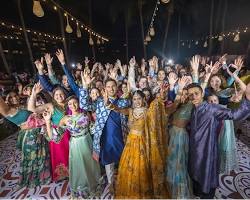
  • The Lively Sangeet: This pre-wedding musical night is a perfect example. Far from a passive event, it's a dynamic celebration where family members—young and old—choreograph and perform dances, sing songs, and share heartfelt speeches. It's a stage for expressing joy, camaraderie, and often, some friendly family rivalry!

  • The Warmth of Haldi: This auspicious ceremony, where turmeric paste is applied to the couple, is a vibrant, intimate gathering. It's a joyous occasion where family members playfully smudge the paste, showering blessings and sharing laughter, often leading to impromptu singing and dancing.

  • The Grand Baraat: The groom's procession isn't just for the groom; it's a carnival of joy where his entire family and friends dance their way to the wedding venue, symbolizing their enthusiastic acceptance and celebration of the union. The bride's family often waits to welcome them with equal fervor.

Beyond the Wedding Day: A Lifelong Embrace

The communal spirit of an Indian wedding doesn't end when the last guest leaves. It lays the foundation for a lifelong connection.

  • An Expanded Family Network: The wedding day marks the official merging of two families, creating new relationships, new support systems, and a wider circle of people to share life's joys and challenges with.

  • Shared Memories, Enduring Bonds: The memories created during the elaborate preparations and the joyous celebrations become cherished family lore, retold for generations, strengthening the bonds forged during this special time.

An Indian wedding is a beautiful testament to the power of family and community. It's a reminder that love isn't just a private affair between two people; it’s a shared journey, celebrated and supported by a collective heart. It truly is a celebration where everyone is invited to contribute to the happiness of the couple, weaving a tapestry of love that lasts forever.

What role has family played in your wedding, or what family tradition are you most excited to incorporate? Share your thoughts below!

...
Dressed in Heritage: The Symbolic Language of Indian Wedding Attire & Jewelry

Every stitch, every bead, every glimmer of gold in an Indian wedding tells a story. The attire and jewelry worn by the bride and groom are far more than mere ornamentation; they are a living tapestry of tradition, symbolism, and blessings passed down through generations. To truly appreciate an Indian wedding is to understand the profound meaning woven into its exquisite garments and dazzling adornments.

The Bride: A Vision of Auspiciousness and Grace

The Indian bride's ensemble is a masterpiece of artistry and deep cultural significance, designed to make her look radiant and blessed.

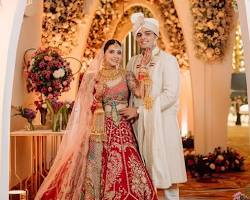
  • The Sacred Colors: While the iconic bridal red (Laal) symbolizes love, prosperity, and fertility, many regional traditions incorporate other auspicious colors like emerald green (growth), golden yellow (happiness), or royal blue. Each hue carries a specific blessing for her new journey.

  • The Embellishments that Speak: Intricate embroidery like Zardozi, Gota Patti, or Phulkari aren't just decorative; they often depict motifs of nature (peacocks, elephants, lotus flowers) or mythological figures, invoking good fortune and divine protection.

  • The Draping of the Lehenga/Saree: The way the fabric is worn, particularly the Dupatta over the head, signifies humility, respect, and readiness to embark on a new role.

  • Jewelry: More Than Just Sparkle:

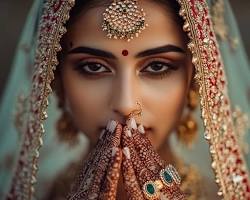
    • Maang Tikka: Adorned on the forehead, it represents wisdom and spiritual connection, placed at the sixth chakra.

    • Nath (Nose Ring): Often a delicate chain connecting to the hair, it's a symbol of marital status and feminine beauty.

    • Necklaces (Haars): Layers of necklaces, from chokers to long strands, represent prosperity and the well-being of the bride.

    • Bangles (Choora/Kada): Especially significant are the Choora (red and white bangles from Punjab) or specific bangles worn in other regions, symbolizing a newly married woman.

    • Payal (Anklets) & Bichiya (Toe Rings): Worn on the feet, these are classic symbols of marriage and often made of silver, reflecting purity.

The Groom: Regal Elegance and Dignity

The groom's attire, though often less elaborate than the bride's, is equally steeped in symbolism, reflecting his stature and readiness for responsibility.

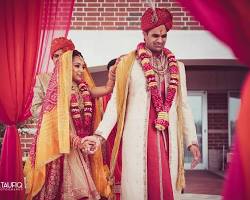
  • The Sherwani/Kurta: This regal garment, often in rich fabrics like raw silk or brocade, signifies his dignity and importance. Its intricate embroidery often complements the bride's attire.

  • The Pagdi/Sehra (Turban/Headwear): More than just a hat, the turban represents honor, respect, and commitment. Its style often indicates regional heritage, and the Sehra (floral veil) protects the groom from evil spirits.

  • The Kalgi (Turban Pin): A decorative pin often adorned with feathers or jewels, it adds a touch of royal grandeur.

  • The Kirpan/Talwar (Sword): In some traditions, the groom carries a ceremonial sword, symbolizing his role as protector of his family and honor.

  • Mojaris (Embroidered Shoes): These traditional shoes complete his ensemble, often mirroring the intricate work on his outfit.

A Heritage Worn with Pride

When a couple chooses their wedding attire and jewelry, they are not just picking outfits; they are embracing centuries of tradition, family stories, and auspicious blessings. Each element is a whispered wish for a joyful, prosperous, and loving future. They are literally dressed in heritage, ready to embark on their new life, adorned in the symbolic language of love.

What piece of traditional attire or jewelry holds special meaning for you, or which symbolic element are you most excited to incorporate into your wedding look? Share your thoughts below!

...
Beyond Posed Pictures: Capturing Timeless Memories with a Modern Lens in Indian Weddings

Indian weddings are a whirlwind of vibrant colors, heartfelt emotions, and intricate rituals, unfolding over multiple days. For generations, capturing these moments meant traditional, often posed, photographs. But today, wedding photography has evolved into an art form that blends classic grandeur with contemporary storytelling. It's about preserving the essence of your unique celebration, ensuring every fleeting glance and joyous tear is immortalized with a modern lens.

From Staged to Story-Driven: The New Narrative

The shift in Indian wedding photography reflects a desire for authenticity and a deeper connection to the events as they unfold.

  • Documentary Style: Modern photographers are often "ninja-like," blending into the background to capture candid moments – a groom's nervous smile, a mother's tearful blessing, the uninhibited laughter on the dance floor. This style tells the raw, unfiltered story of the day.

  • Cinematic Wedding Films: Gone are the days of lengthy, single-camera videos. Today's wedding films are short, impactful, and movie-like, complete with drone shots, artistic angles, and a narrative arc that feels like a personal blockbuster.

  • Pre-Wedding Shoots with a Twist: While pre-wedding shoots are popular, they've moved beyond cliché locations. Couples are opting for themes that reflect their personalities – be it an adventurous trek, a cozy café setting, or even recreating their first date, often with stunning scenic backdrops.

Embracing Technology: New Perspectives, Unforgettable Shots

Advancements in photography and videography have opened up incredible creative possibilities.

  • Drone Photography: Offering breathtaking aerial views, drones capture the scale and grandeur of the venue, the vibrancy of the Baraat from above, or the beautiful patterns formed by guests at a sprawling outdoor event.

  • Low-Light Mastery: Modern cameras excel in capturing the magical ambiance of evening events like the Sangeet or Reception, preserving the glow of fairy lights and candid expressions in dim lighting without harsh flashes.

  • Instant Sharing & Social Media Integration: Many photographers offer instant previews or setup photo booths with immediate sharing options, allowing couples and guests to share their joy in real-time.

Preserving Heritage Through a Fresh Gaze

While embracing the new, modern Indian wedding photography never forgets its roots.

  • Highlighting Rituals with Artistry: Photographers now skillfully frame traditional ceremonies like the Saat Phere or Kanyadaan not just as records, but as artistic compositions, emphasizing the emotion and symbolism of each moment.

  • Fusion of Styles: Many couples choose photographers who can blend traditional portraiture with candid shots, ensuring they have both the classic family heirlooms and the spontaneous, heartfelt memories.

  • Cultural Sensitivity: The best photographers understand the nuances of Indian traditions, knowing when to be discreet and when to capture a key ritual, respecting the sanctity of the moments.

Your wedding photographs and films are not just pictures; they are your legacy. They are the tangible memories that will transport you back to the laughter, the love, and the magic of your special day, for years and generations to come. Investing in skilled photography means investing in timeless storytelling.

What kind of wedding photography style are you drawn to, or what specific moments are you most excited to have captured forever? Share your thoughts below!

...
The Wedding Whirlwind

Celebrations are not just events—they are memories that stay with us forever. At Passport for Celebration, we believe every special moment deserves thoughtful planning, creativity, and a personal touch that reflects your story.

From weddings and birthdays to corporate gatherings and family functions, our goal is to transform your ideas into unforgettable experiences. We focus on elegant designs, smooth coordination, and attention to detail so you can enjoy your celebration stress-free.

Our expert team works closely with clients to understand their vision and deliver customized solutions. Whether it’s décor, planning, or complete event execution, Passport for Celebration ensures every occasion feels unique and joyful.

Let us be part of your journey and help you celebrate life’s milestones with style, warmth, and perfection—because every celebration deserves a passport to happiness.